


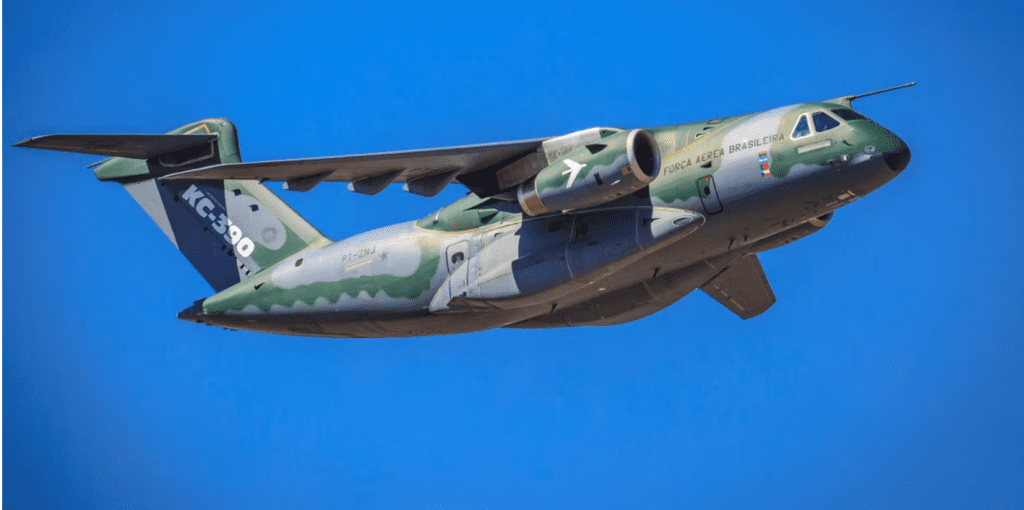
As the conflict continues in Sudan, governments from around the world have sent in aircraft to evacuate their citizens. Yet this is not the first time that aviation has played a crucial role in the response to crisis situations and disasters. Throughout history, evacuation flights and those transporting aid and humanitarian relief have provided a vital lifeline when other forms of communication are cut off, with large military aircraft such as the Embraer C-390 really coming into their own in such situations.
We only need to look at the recent earthquake in Southern Türkiye and Syria as a prime example. According to data from the International Air Transport Association (IATA), a total of 29 carriers supported the relief effort in the immediate aftermath of the earthquake, including local carriers Pegasus Airlines and Turkish Airlines.
Together, they operated over 350 relief and repatriation flights to the affected areas, delivered over 3,500 tons of air from more than 90 countries, and provided transport for over 130,000 responders from across the world. Among the critical supplies that were delivered were blankets, winter jackets, food, hygiene products, tents, sleeping bags, and medical supplies.
At a recent meeting in Istanbul, IATA’s Director General, Willie Walsh, spoke about the aviation industry’s role in the aftermath of crises and disasters. He said,
“When crises strike, aviation is there. Connectivity is essential to get aid and first responders to where they are needed. The response to the recent earthquake in Southern Türkiye and Syria was no exception. Airlines helped save lives in the immediate aftermath of the earthquake. And airlines continue to help accelerate the recovery with vital cargo shipments.”
Essential relief – past and present
Another recent example of the aviation community coming together to support those in need includes the charter flights that were operated by a variety of carriers to carry Ukrainian refugees to their new homes. And looking further back in history, the 2004 Indian Ocean tsunami saw military and commercial flights being used to repatriate the injured and bring essential humanitarian aid to the affected areas.
Summarizing the important role that aviation has played, and continues to play, Walsh added,
“Airlines have shown exceptional compassion and solidarity, delivering vital supplies and aid to affected communities around the world. During crises, we bring hope, relief, and aid, striving to rebuild lives together. I am proud to be part of an industry that makes such a difference.”
The future role of aviation in crisis response
As technology continues to develop, the role of aviation in crisis response may well look different in the future. For example, the introduction of vertical take-off and landing (VTOL) aircraft will allow passengers and air to be picked up and delivered to precise locations, without the need for a runway or landing strip.
Yet irrespective of technological developments, Walsh was quite clear when he went on to say that in order to ensure the aviation industry is best placed to assist in emergency situations, it must continue to become “ever more safe, secure, reliable, and sustainable” in its day-to-day operations.
Earlier this week, Air Peace revealed its intention to support Nigerian citizens stuck in Sudan – find out more here.