


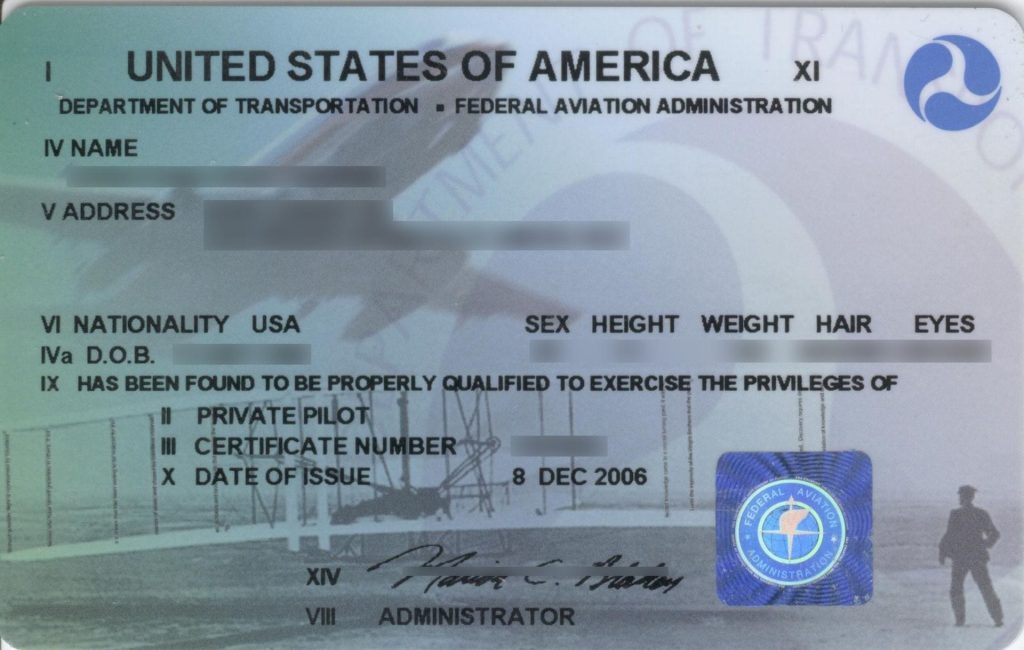
Aviation news international – Most of us who fly find ourselves at some point holding a private pilot certificate.
More often than not that certificate bestows upon us the privilege to fly single-engine land airplanes of up to 12,500 pounds without submitting to any additional certification requirements.
Whether we choose to fly a fabric covered, wood framed, low horsepower machine like the Pietenpol Aircamper or a composite construction, turbocharged Cirrus SR22T, we’re good to go.
At least that’s true from the FAA’s perspective. But are we really good to go?
From a more practical viewpoint, we’re nowhere near capable of switching from one cockpit to another with such a cavalier attitude.
The multitude of issues that face us in the cockpit differ considerably from those we might find in a car. Sure, you can zip from a Korean econo-box to an American mid-size sedan, to a European SUV with relative ease. But how comfortable are you jumping into an electric vehicle and making it go down the road with confidence? Even in a traditional gasoline-powered vehicle, how many times have you driven an unfamiliar vehicle only to realize a few hours into the journey that you have no idea where the gas tank filler release is?
The FAA provides us with minimum standards for our aeronautical endeavors, which we would be wise to remember are literally minimum standards. These should not be the end point of our training and currency goals. The wise pilot seeks proficiency, not merely a willingness to fly.
Flying by the seat of your pants may sound exciting in the movies, but in real life it’s downright dangerous. You may not feel the risk building. But it’s there. By the time you realize there’s a serious problem it may be too late to prevent it or correct for it.
Complying with FAA minimums is one thing. Yet, our more pressing concern may be the limitations our insurance company puts on us. This is especially true when we transition from one aircraft to another.
When I bought the Piper J-3 Cub I loved so dearly, my insurance carrier made it clear in writing that I was to obtain 10 hours of dual instruction in that machine before I was cleared to fly it solo. That stipulation wasn’t in the small print. It was right there in plain sight: 10 hours. That was the threshold I needed to meet. Not a minute less.


My friend Jill had a similar limitation on her insurance policy when she began flying the Champ she’d spent the better part of a year restoring. She knew the airplane inside and out on the ground, but her carrier wanted to be sure she had first-hand experience with the quirks and handling of the machine in flight and in motion on the ground.
That’s a reasonable requirement, frankly.
There are so many unique aspects of each aircraft, it only makes sense for the insurance company to go above and beyond what the FAA deems to be minimally acceptable.


Even a transition from the venerable Cessna 152 to a 172 to a 182 should be treated seriously. The basic form of the three designs are similar, but the horsepower more than doubles from the bottom end of the scale to the upper limit. The performance of one is very different from the performance of the other. This is undoubtedly, a contributing factor to the number of C-182s with bent firewalls. How many were flown by pilots who were comfortable landing a C-172 harboring the erroneous belief that landing a C-182 required the same technique?


Here’s the crux of the issue: We carry insurance as protection against the worst that can happen. The insurance may not prevent bodily harm, but the limits it puts on us surely play into the risk mitigation responsibility we each have. It should affect our thinking and our actions.
Insurance is a contract for payment. As long as we pay our premiums and follow the rules of the FAA and the insurance contract, we’re covered to the limits of the value of our policy. Defy the minimum requirements of the FAA or the insurance policy, and we’re on our own.
An old friend recently communicated to me a sad story. He’d experienced his first insurance client fatality. Before flying solo the client’s insurance policy required him to complete one hour of dual instruction in the aircraft he’d just acquired. The client skipped that step. I don’t know why. Perhaps he thought it was a minor issue not worthy of his attention. It wouldn’t be out of the question for him to consider his previous experience to be all he needed, regardless of what the policy limits were.
More tragic is the realization that his insurance company may decide not to cover the loss because the client had not met the terms of the policy. He skipped that mandatory one hour of dual instruction. Maybe to save a few dollars. Perhaps to save time and get right into enjoying the benefits of his new flying machine. Whatever the case, things didn’t work out in the pilot’s favor. His insurance likely won’t benefit the family he left behind either.
Transition training is essential for those of us who wish to fly safely, with confidence, and with the full backing of our insurance carriers. Whether you’re transitioning uphill from a J-3 to a C-182, or downward from an Airbus 310 to a Piper PA-28, get the training you need to meet the FAA minimums, your insurance carrier stipulations, and then go beyond in search of true proficiency.
source: https://generalaviationnews.com/2023/08/29/the-basics-of-transitioning/