


Aviation news international – At my local airport the airport restaurant is inside the FBO building. That’s true of many airports I’ve visited with the intent of taking on a few extra calories.
Being in the south where former military training facilities are plentiful — many of which are now municipally owned and open to the public — the runways tend to be long.
Admittedly, long is a relative term. What the Cub pilot thinks of as a long runway the B-737 pilot sees as entirely inadequate. To say it another way: In aviation, size matters. In fact, it matters a lot.
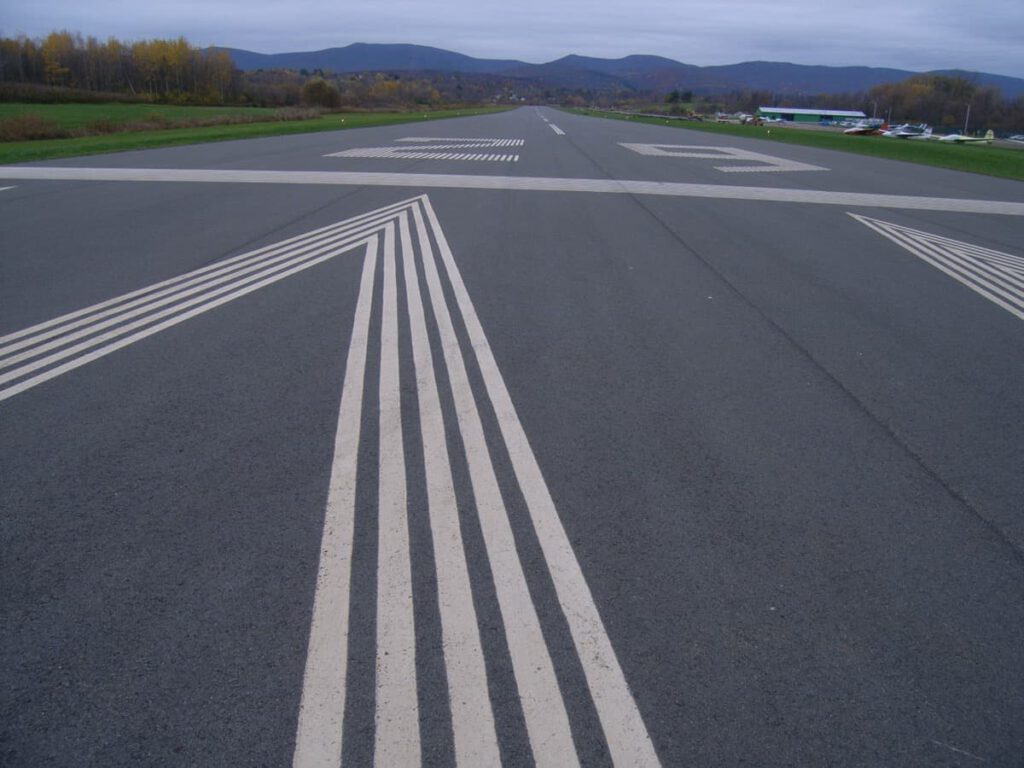
They perform a flawless run-up, make the appropriate radio call, roll out onto the runway for a midfield departure, and push the throttle to the stop. The decision to reduce the 5,000 foot runway to just 2,500 feet seems like a fine idea.
The aircraft accelerates normally, the wheels get light, and at the appropriate time the pilot eases back the controls to raise the nose just a tad. The aircraft leaves the runway as expected, climbs authoritatively at Vy, and gains altitude at the anticipated rate.
Until…
The engine coughs, or sputters, or begins to vibrate aggressively, or just winds down to a significantly lower RPM without warning or apparent reason.
The pals now find themselves low and slow, nose high, airspeed falling off rapidly, as the last bit of pavement disappears below their nose. They are low enough that the Impossible Turn has earned its name.
Ahead of them are homes and businesses, streets flanked by poles with powerlines attached, and not a single piece of flat, clear space to aim for. They’ve got nowhere to go at the exact same time gravity exerts its significant power to compel them to go anyway.
Is this avoidable? Perhaps.
Certainly the quick and easy solution of making an intersection departure played a role in the eventual unpleasant outcome to this flight.
Years ago, when I transitioned from single-engine aircraft to multi-engine aircraft, I was intrigued by the additional pre-takeoff briefing I was introduced to. It’s a standard for multi-engine pilots, yet a complete mystery for single engine drivers.
Over the years it has seemed more appropriate to me that all pilots lock these few lines into their pre-flight planning.
The pre-takeoff brief goes like this:
- If we lose an engine before liftoff, I’ll bring the throttle to idle and stop the aircraft on the runway.
- If we lose an engine after liftoff with runway remaining, I’ll bring the throttle to idle, land the airplane, and bring it to a stop as best as possible.
- If we lose an engine after liftoff without runway remaining, I’ll clean up the airplane, evaluate the situation, and make a decision based on whether I can climb, maintain altitude, or not.
I’m sure the exact wording varies slightly from pilot to pilot, training program to training program, but the crux of the issue remains the same.
We are vulnerable on takeoff. Our powerplants are straining to drag our weighty airframe, passengers, and cargo to altitude. Should anything happen to limit their power output, that ability to climb can go away in a flash, leaving us with no option but to descend at the exact time and place we least want to do so.
Too often we put that reality out of our mind in search of a more comforting, convenient perspective. This thought occurs to me as I see one aircraft after another take that all-too-handy mid-field takeoff option as they roll out following their oh-so-satisfying lunch at the diner.
Truthfully, modern aircraft are remarkably safe machines. And by modern, I mean anything manufactured from the mid-20th Century onward. Maintenance requirements go a long way toward assuring us that our flying steeds will perform as expected, keeping us from harm as we zip along, high above the traffic lights, snarled intersections, and obstructions in the road below.
The multi-engine pilot has the idea fresh in their mind. If something bad happens, they’re ready to take action immediately.
The unprepared pilot, on the other hand, has the unenviable task of thinking their way through a thorny problem suddenly thrust upon them, while the earth rushes up to meet them.
Intersection departures haven’t been part of my standard operating practice for a good, long time. Perhaps this is a good time for all of us to reconsider the practice.
source: https://generalaviationnews.com/2023/10/10/the-downside-of-convenience/