This week, national carrier Air New Zealand became the latest airline to step back from its target for reductions in carbon emissions by 2030. The airline blamed its decision on the poor availability of sustainable aviation fuel, delays in the delivery of new, more fuel-efficient aircraft, and a challenging regulatory framework.
It was a dramatic turnaround from as recently as 2022, when the company heralded the fact that it was the second carrier in the world to have its plans validated by the UN’s Science Based Targets initiative aviation framework. At the time, Air New Zealand pledged to reduce missions by 28.9 percent by 2030.
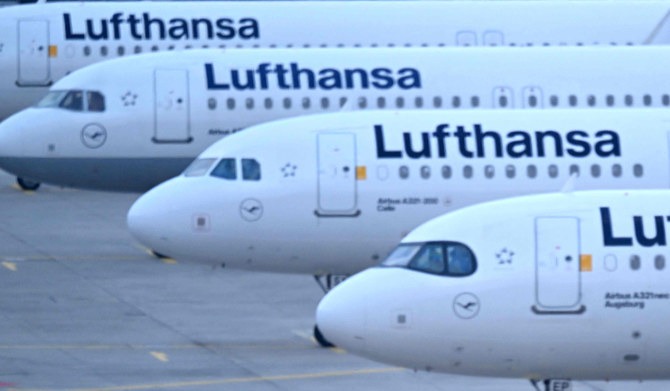
The airline is not the first carrier to abandon its plans to curb emissions. It joins a list that includes some of the biggest airlines in the world, most notably United Airlines, Lufthansa, Japan Airlines, LATAM Airlines Chile, and Easyjet.
As 2030 approaches, the number of airlines reversing commitments or failing to meet targets is only going to increase dramatically as they come up against the same hurdles that Air New Zealand listed. In fact, it is likely that many of them have already privately accepted the near impossibility of their missions but are reluctant to say so publicly for the fear of the negative publicity and backlash such a move is likely to draw from travelers and ecologists worldwide.
To be fair to the aviation industry, the challenges are indeed immense and certainly not all of them are within its control. In fact, at the moment it looks like the airlines have little control over any of the steps they need to take to start cutting carbon emissions. They are fully dependent on third parties and so are more victims than villains of the piece.
Take sustainable aviation fuel for starters. Leaving aside the fact that it is not really sustainable — it only reduces emissions and is far from being emissions-free — the production of sustainable aviation fuel is managed by oil companies, big and small, and none of the producers currently has the capacity to meet demand.
This year, the total capacity for production of sustainable aviation fuel worldwide will increase to 1.6 billion liters. This represents threefold growth compared with the capacity in 2023, but it is still only a measly 0.53 percent of all fuel burned by airlines. Producers will therefore continue to struggle to meet the demand for sustainable aviation fuel for the foreseeable future.
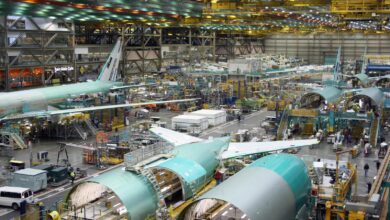
The other major hurdle airlines face in efforts to cut emissions is the state of the aircraft-manufacturing industry, in which companies are struggling to deliver new, more fuel efficient models on schedule.