Similarities in radar data
University of New South Wales senior aerospace design lecturer Dr Sonya Brown said the radar data from the latest crash somewhat resembled the data from the fatal crash in 2020.
“Obviously the investigation is in its very early stages, but we can already see the radar data of this aircraft,” she said.
“The situation started with a situation at very low altitude … In 2020, the aircraft had just done a [retardant] drop and had tried to climb out of that, and it’s believed that part of the problem was a stall on the left wing,” she said.
“Unfortunately, stalls at low altitude can absolutely be fatal.”
Dr Brown said she suspected the latest crash in WA was likely caused by a similar “loss of lift or loss of control”.
“Coulson [Aviation] updated all of their safety procedures, some of their pilot training, etcetera, to try and avoid such an incident in the future. Yet, here we are just a few years later and we’ve had another incident,” she said.

An investigation into the Black Summer Fires fatal crash found the NSW Rural Fire Service failed to pass on crucial information to the crew of the large air tanker, a C-130, before the crash.
Crash investigation ongoing
The Australian Transport Safety Bureau (ATSB) and the Department of Fire and Emergency Services (DFES) are both conducting separate investigations into the crash.
ATSB Chief Commissioner Angus Mitchel has said it would take some time to piece together exactly what happened.
“What we will try and get a very good understanding of [is], was there anything mechanical behind this? Was it in the tasking involved? Was it the environment involved?,” he said.
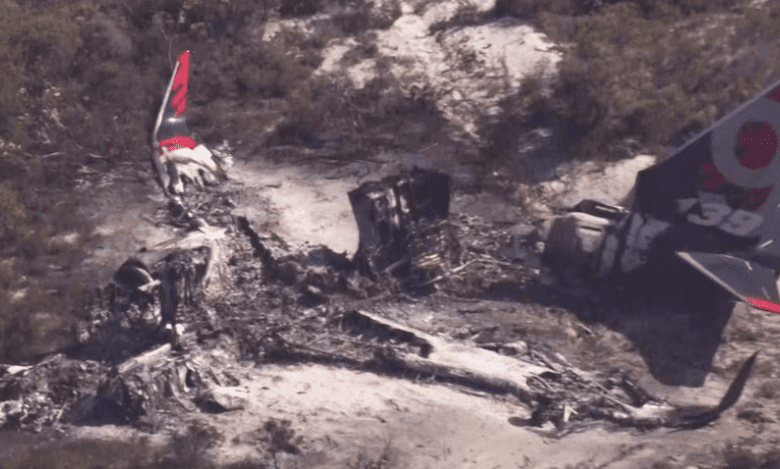
“In this particular instance, it does look as though it’s potentially clipped the ridge line and has pancaked down.”
Coulson Aviation temporarily grounded its air tankers across the country on a “stand-down day for welfare to rest the teams”.
In a statement, Coulson Group CEO Wayne Coulson said they were “not in a position to speculate or make further comment at this time” regarding the cause of the crash.
More aviation incidents likely, expert says
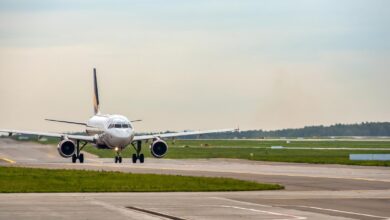
The fact both pilots on board the converted Boeing 737 survived the crash was described as a “miracle” by WA’s Premier Mark McGowan. Dr Brown agreed.
“I think we are very, very lucky in this particular accident that the pilots are walking away,” she said.
Dr Brown said more work needed to be done to ensure proper assessments of environmental factors were completed before air tankers were deployed, especially as they were being used more frequently to combat bushfires.
The Boeing 737 which crashed on Monday had dropped just under 400,000 litres of retardant on eight bushfires in the last few weeks.
“That’s the key thing we can do is better assessment of the local conditions to stop a [retardant] drop, which could be too hazardous,” she said.
“We do expect to see, unfortunately, an increase in incidents just because … we’re doing more of this work.”