Climate Change: Sustainable aviation claims don’t stack up
Aviation’s carbon footprint is far more likely to increase than decline. Powering long-haul aircraft with batteries or hydrogen isn’t possible, and hopes of a two-third cut in emissions reductions from sustainable aviation fuel appear impossible
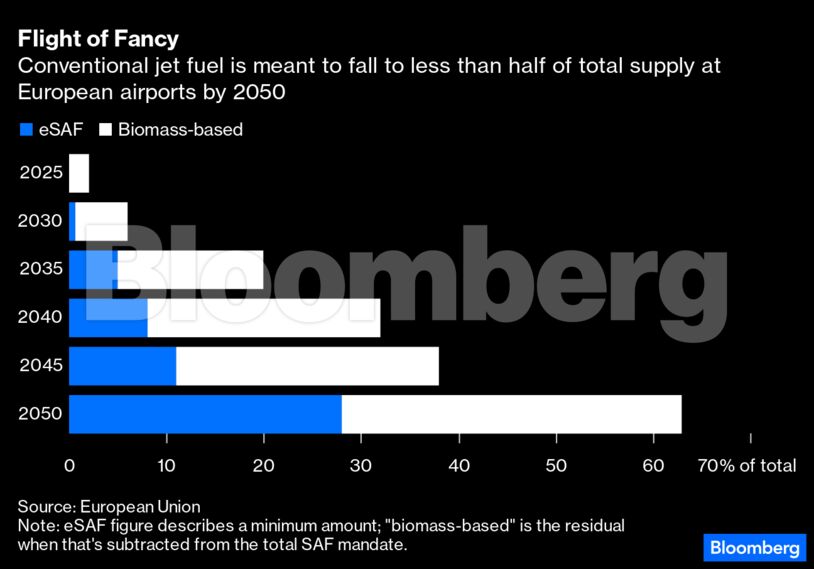
If the aviation industry was serious about SAF, it would have no problem supporting the EU’s mandate policy, because it would see a viable pathway to hitting the targets.
When the pandemic sent the world into lockdown and air travel ground to a halt, people stared out their windows at the quiet, blue skies overhead, and tweeted, tongue-in-cheek: “Nature is healing.”
In branding terms, that meme was a disaster for the aviation industry. A consumer business that makes the largest slice of its profits from an increasingly environmentally-conscious global middle class doesn’t want to be cast as a bad actor. Fixing that image problem is hard, though, because unlike power utilities and automakers, the aviation sector hasn’t got a carbon-free technology on hand to eliminate its emissions.
That doesn’t stop it saying that such a technology exists, however. The UK’s advertising regulator last week banned two advertisements by Etihad Airways after finding the airline’s claims that it was “taking a louder, bolder approach to sustainable aviation” didn’t stack up. The move follows similar actions against greenwashing advertisements by Lufthansa AG and Ryanair Holdings Plc.
There are “no initiatives or commercially viable technologies in operation within the aviation industry which would adequately substantiate an absolute green claim such as ‘sustainable aviation,’” the Advertising Standards Authority wrote in its Etihad decision.
You almost feel sorry for Etihad. It’s hardly the only carrier making such extravagant claims. The International Air Transport Association, the global industry group, is promising the sector will hit net zero emissions by 2050 — but that’s more a wild aspiration than a plausible pathway. Aviation’s footprint is far more likely to increase than decline over the coming decades.