Why Does New York Have So Many Airports?
The Big Apple needs all the capacity it can get!
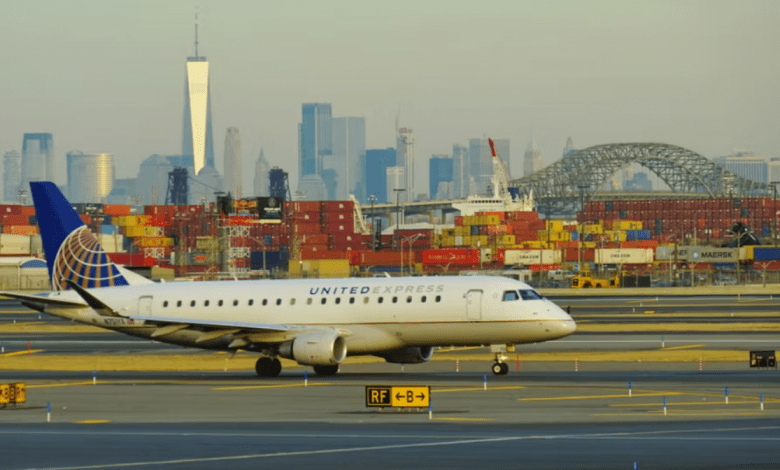
Numerous large cities have several airports. This can complicate travel and connections, but there is usually a reason why they exist – and continue to do so. New York has three main commercial airports – Newark-Liberty (EWR), LaGuardia (LGA), and John F. Kennedy International (JFK). These all opened at different times and for different purposes and continue to serve distinct roles today.
Three airports for one city
It is not unusual for a large city to have several airports. Other major cities in the United States also have multiple major airports – including Chicago, Houston, and Washington, DC. Elsewhere, London, Paris, Tokyo, Shanghai, Beijing, Moscow, and Istanbul are examples.
New York’s story is partly historical and partly functional. LaGuardia opened in 1929. At this time, it was a private airfield built at the site of a former amusement park close to the city.
It became a commercial airport in 1939, with its location close to the city cited as a prime reason at the time. This remains the case today.
Newark Liberty International Airport opened (as Newark Metropolitan Airport) in 1928. It was built to be the first airport serving New York and was the busiest commercial airport in the world in the pre-war years.
JFK opened in 1948 (as New York International Airport). It came about as air traffic expanded and the other airports (particularly LaGuardia) were at capacity. This growth story is typical in most cities with multiple airports.
Expanding existing airports is not easy, especially when significant expansion is sought. Building a new airport on open land is more effective. We have seen this happening recently with new airports in Istanbul, Beijing, and Dubai.
Get the latest aviation news straight to your inbox: Sign up for our newsletters today.
Handling different aircraft and routes
Consolidating all traffic at one airport is rarely an option. Even if it would work, it would not usually make sense. New York’s airports serve different purposes. LaGuardia is much closer to the city and handles smaller aircraft on shorter routes. JFK and Newark can handle larger aircraft and are better set up for large numbers of passengers, international arrivals, and transfers. London has a similar setup to London City Airport and Heathrow Airport.
Having several airports also helps multiple airlines establish hubs. Newark and JFK both handle many connecting flights, and airlines want to keep these within the same airport. Newark acts as a hub for United Airlines, while JFK is a hub for American Airlines and Delta Air Lines, and it is a focus point for JetBlue.
Get all the latest aviation news for North America here.
Serving different areas
A city as large as New York generates a huge amount of passengers. Having a choice of airport location makes sense in any large city. Having all airport traffic move in the same direction would inconvenience passengers and likely strain the transport infrastructure.
Downtown passengers may prefer the journey to JFK. For those in New Jersey, Newark is a better choice. LaGuardia remains a good business option, closer to the city with shorter connections and usually easier arrivals.
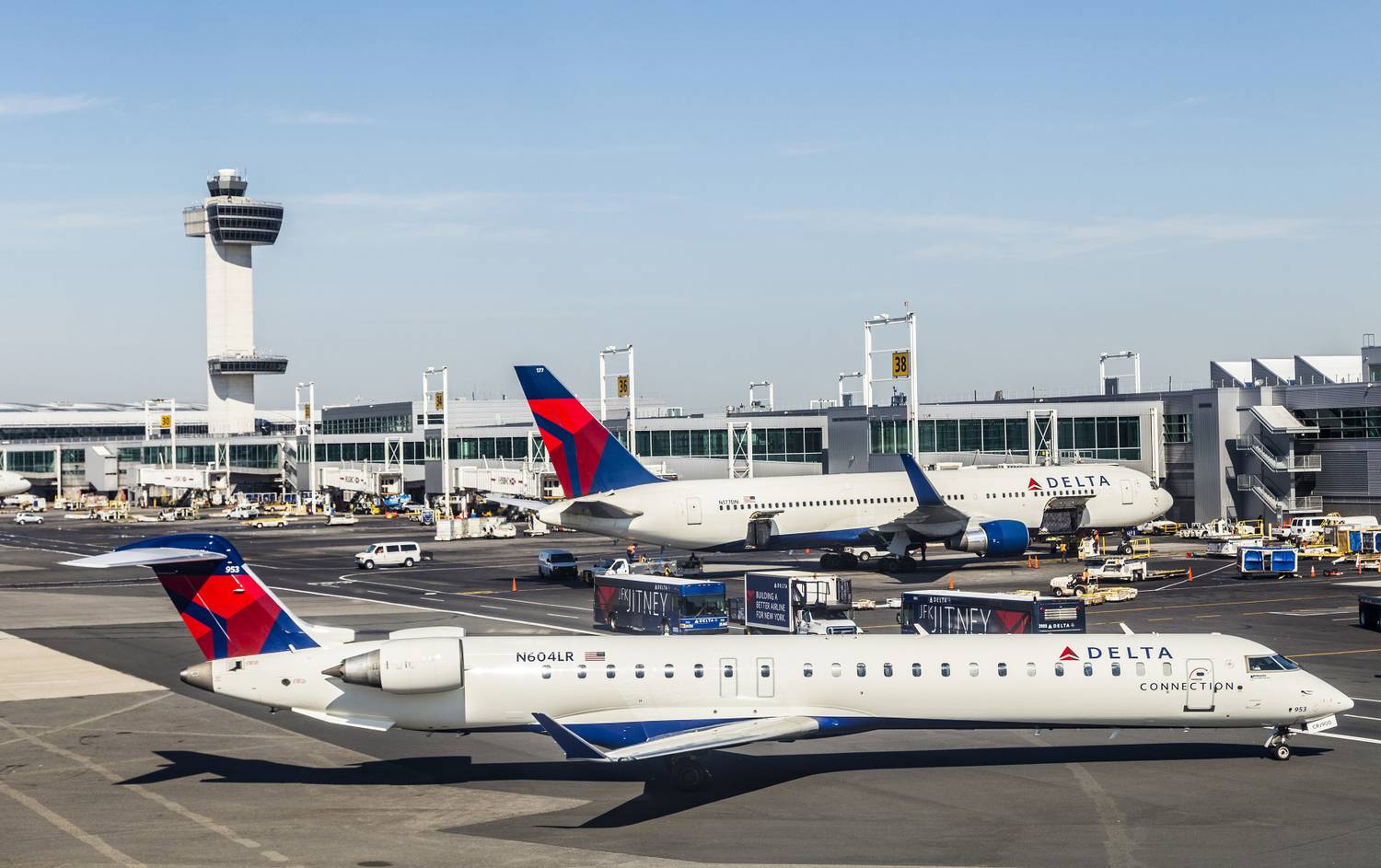
These three large airports are, of course, not the full story with New York airports. There are several smaller commercial airports serving different locations – including Long Island MacArthur Aiport, Stewart International Airport, and Westchester County Airport.
These are generally used for local traffic rather than connections and have all seen commercial operations at different times. There is also a strong general aviation presence with many airports for private aircraft, including Republic Airport and Teterboro Airport.
There are grand prospects to scale up activity at these smaller sites. Notably, PLAY launched international flights to New York Stewart from Keflavík International Airport last year. The airline has touted a strong catchment area across the Hudson Valley and is looking to cater to passenger segments that would like to avoid the busy nature of New York’s major airports.
Still, the public transport links to the center of New York City aren’t the best from Orange County. So, we can expect the veterans of Newark and JFK to affirm their positions as international powerhouses.
Looking forward
New York has long been established with its three main commercial airports. All three major locations have been actively catering to a robust rebound in demand following the pandemic.
Airlines have been celebrating their recovery by opening new lounges at the likes of JFK. Moreover, JFK recently broke ground on a new Terminal 6, with project management looking to complete construction within the next six years. The airport is going through $19 billion in renovations, including the entire rebuilding of Terminal 1.
New York’s airport landscape is ever-evolving. We recently saw Newark overtake JFK regarding the number of European passenger destinations. Nonetheless, the latter still has plenty to shout about with its impressive domestic and international presence.