There is a trend making inroads into our national culture that has been so slow and insidious — and we’ve been less than astute at picking up on it. We’re big. Really big. Bigger than we were in previous decades. This ain’t good.
When I was a boy every high school had the major categories of human character represented: The cool kid, the hot girl, the greaser, the jock, the nerd, and the fat kid. The bulk of the student body fell into one category or other. Most of us were not particularly cool or beautiful. We didn’t have an affinity for fixing things or throwing a football. We certainly weren’t on the track to Valedictorian status, and although we weren’t exactly an Adonis or Aphrodite, we could pass muster as a healthy example of a human being in our age bracket.
That’s not the case anymore. Not for the most part, in any case. I hate to be the bearer of bad news, but when the naked eye can observe something as being amiss, it is foolhardy to continue to delude ourselves into believing that big-boned, husky, and pleasantly plump are terms of endearment.
That’s assuming they can actually make the flight.
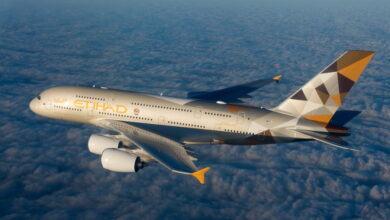
One of the kids I was tasked with flying that day was a 17-year-old boy who would be considered athletic by modern standards. Which is to say, he was big. Not overly tall. He clocked in at 5 foot 9 or 10 inches tall. He was large in girth, however. Bigger than me, and I’m a pretty big boy.
This struck me as odd.
He was 17 years old. In the prime of his life, so the saying goes. I was over 60 years old. Of the two of us I was taller, but lighter, more spry, far more flexible, and able to slide into my seat without difficulty. The teenager huffed, and puffed, and required a squire to fold him into the aircraft. It occurred to me he’d probably need similar assistance getting out too.
As a culture we’ve become fat. We’re out of shape. We encourage our young ones to flirt with the idea of becoming a pilot, but haven’t addressed the issue of their fitness for duty.
Years ago, I became acquainted with the local U.S. Army recruiter. An officer charged with overseeing multiple recruiting stations, his job, which used to involve the fairly simple tasks of taking names and loading young hopefuls onto buses headed for basic training bases, has taken on a new unfortunate twist. They simply can’t find a sufficient number of young people who meet the intellectual and physical requirements to be a soldier.
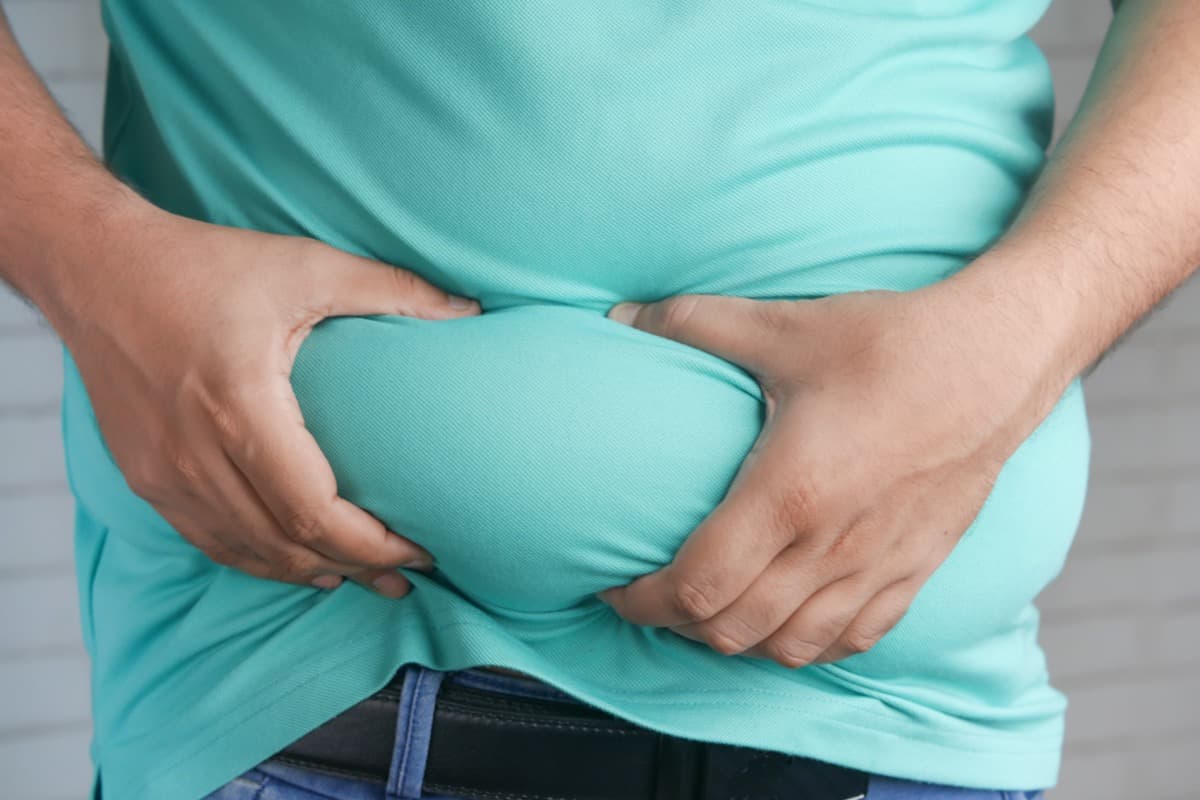
The national average today is that about three-quarters of our youth are not fit enough to enter the military. Realistically, we can postulate they will have issues with their ability to fill other positions as well. Because we’re just too darned fat and out of shape.
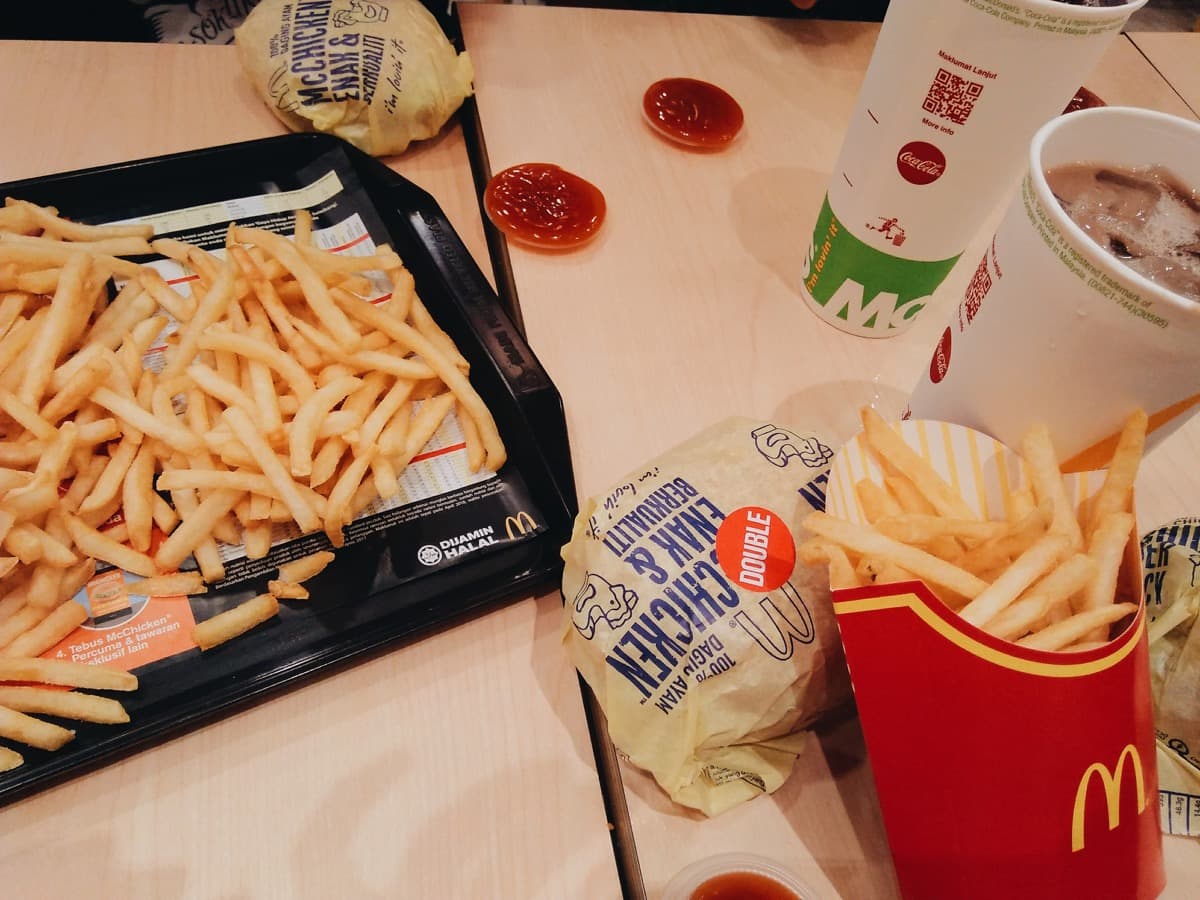
My dad was overweight throughout much of his life, from middle age onward. When he died we found lists he’d made of what he’d eaten that day, and wish lists of what he thought he should have eaten. It was not a pretty picture. Employees from the local McDonald’s came to his wake. Apparently, he’d eaten there every day for years — so often they knew his name and his regular order.
In general terms, exercise relates to fitness, diet relates to weight. That’s not entirely true, but it gets us in the ballpark of the issue. As the adults we have the responsibility to set a good example for those who come behind us. Eat better, exercise more. That’s not such a difficult plan.
That unbendable kid got me thinking. And thinking got me acting. I’m still big, but I’m 25 pounds lighter than I was at my peak. I eat better. I’m more intentional about what goes into my refrigerator, my kitchen cupboard, and my meals. I’ve still got a ways to go to get to my ideal weight, and maybe I never will. But the improved lifestyle is worth the effort.
Changes have to be made in life. Our size and our acceptance of obesity as a normal consequence of life should be among those changes. We can do better. For ourselves and for the generations that come behind us. Because if they can’t get into the aircraft, they certainly won’t be able to succeed in their desire to fly it.